Showing posts with label business. Show all posts

Monday, June 15, 2026

Is Dogecoin Dead—or Could DOGE Still Hit $1? The Truth About the Next Big Move

Is Dogecoin Dead or Can DOGE Reach $1? A Plain-English Look at DOGE, Market Caps, Elon Musk, and Realistic Price Targets

Updated June 2026: Dogecoin is not dead, but it is also not the same “early” meme coin that shocked the market in 2021. DOGE still has brand recognition, liquidity, a huge community, and major exchange access. But for Dogecoin to return to $0.50, $0.75, or $1.00, investors need to understand one thing first: price alone does not matter — market cap and circulating supply matter more.

Dogecoin in Simple Terms

Dogecoin, ticker symbol DOGE, started as a joke cryptocurrency in 2013. It was based on the Shiba Inu “Doge” meme, but over time it became one of the most recognized cryptocurrencies in the world. Unlike Bitcoin, Dogecoin does not have a fixed maximum supply. New DOGE continues to be created each year, which means Dogecoin relies on continued demand, attention, trading volume, and community strength to support price growth.

As of this analysis, DOGE is trading around $0.09. Its all-time high was about $0.73 in May 2021. That means Dogecoin has already proven it can move dramatically during a speculative crypto cycle, but it has also shown how far it can fall after hype cools off.

Disclaimer:
This article is for educational and informational purposes only and is not financial advice. Cryptocurrency is highly volatile, and Dogecoin may gain or lose value quickly. Always do your own research and consider speaking with a licensed financial professional before making investment decisions.

Is Dogecoin Dead?

No, Dogecoin is not dead. A dead coin usually has little trading volume, weak exchange access, low community activity, and almost no market recognition. Dogecoin does not fit that description. DOGE is still one of the better-known cryptocurrencies, and it usually remains one of the largest meme coins by market cap.

However, Dogecoin is no longer a tiny underdog. It is now a mature meme coin. That matters because a mature coin can be harder to move. When Dogecoin was much smaller, a wave of retail buying, social media hype, and Elon Musk attention could push it sharply higher. Today, because the market cap is already much larger, it takes much more money and demand to move the price in the same dramatic way.

The better description is this: Dogecoin is not dead, but it is a high-risk, sentiment-driven crypto asset. It can still rise in a strong meme-coin market, but it should not be treated like a guaranteed recovery investment.


What Made Dogecoin Explode in 2021?

Dogecoin’s 2021 run was not caused by one thing. It was caused by several forces hitting at the same time:

  • Elon Musk attention: Musk repeatedly mentioned DOGE, tweeted about it, joked about it, and helped push it into mainstream conversation.
  • Retail trading mania: 2021 was the same era as GameStop, AMC, Robinhood trading, Reddit communities, and “meme stock” excitement.
  • Crypto bull market: Bitcoin, Ethereum, and many altcoins were also rising sharply.
  • Cheap-price psychology: Many people liked DOGE because it looked “cheap” compared with Bitcoin, even though market cap matters more than coin price.
  • Mainstream media coverage: Dogecoin became a household name for a short period.

DOGE last traded around the $0.50 range in May 2021. It later reached an all-time high around $0.73. That move was powerful, but it was also part of a rare speculative environment. Repeating it would likely require another broad crypto bull market and renewed meme-coin mania.


Could Dogecoin Reach $1?

Dogecoin can reach $1 mathematically, but it would require a very large market cap. This is where many new investors get confused. A coin’s price is not the whole story. You have to multiply price by circulating supply.

The basic formula is:

Coin Price × Circulating Supply = Market Cap

For a simple example, if Dogecoin has roughly 170 billion DOGE in circulation, then a $1 DOGE would imply a market cap of about:

$1.00 × 170 billion DOGE = $170 billion market cap

That is not impossible, but it is a major number. It would require Dogecoin to become far more valuable than it is today. It would also require strong demand despite Dogecoin’s ongoing annual supply increase.

So the honest answer is: Dogecoin reaching $1 is possible in a major speculative crypto cycle, but it is not a conservative or guaranteed expectation.


What Would It Take for DOGE to Reach $0.50 Again?

If DOGE is around $0.09 today, then a move to $0.50 would be about a 5.5x move.

Example:

  • Current DOGE price: about $0.09
  • Target DOGE price: $0.50
  • Approximate return needed: 455% gain

A move from $0.09 to $0.50 is possible in crypto, but it would likely need a combination of:

  • A strong Bitcoin and crypto bull market
  • Renewed interest in meme coins
  • High retail trading participation
  • Social media momentum
  • Possibly an Elon Musk or X-related catalyst
  • More real-world usage or payment adoption

Without those catalysts, DOGE could remain stuck in a lower range for a long time.


The Elon Musk Problem: Does He Still Move Dogecoin?

Elon Musk was a major part of Dogecoin’s 2021 story. His tweets, jokes, and public comments helped turn DOGE into a mainstream meme asset. But the market may not trust the Elon-DOGE connection the same way it did before.

In 2021, many retail traders believed Elon’s attention could send DOGE “to the moon.” Today, more people are skeptical. Some investors feel burned after buying near higher prices. Others believe Elon has moved on to bigger priorities such as Tesla, SpaceX, X, AI, robotics, and private-company wealth creation.

That does not mean Elon has no effect. A direct DOGE mention can still cause a short-term price pop. But the effect appears weaker than it was in 2021. The market has more memory now. Traders know that an Elon mention can create excitement, but they also know it may not create a lasting breakout.

Bottom line: Elon can still influence Dogecoin sentiment, but Elon alone may not be enough to recreate the 2021 DOGE rally.


Why “Can DOGE Reach $1?” Is the Wrong First Question

Many people ask whether Dogecoin can hit $1 because $1 feels like a clean, exciting target. But the better question is:

How much market cap would DOGE need to reach that price?

This is especially important when comparing DOGE to tiny meme coins. A coin trading at $0.00000001 is not automatically “cheaper” than Dogecoin. If that coin has hundreds of trillions of tokens, reaching $1 may be almost impossible because the market cap would need to become larger than the entire global crypto market.

For example:

  • A small meme coin with 770 trillion tokens would need a $770 trillion market cap to reach $1.
  • Dogecoin with roughly 170 billion tokens would need about a $170 billion market cap to reach $1.

Both are large numbers, but they are not the same. This is why investors should focus on percentage return, market cap, liquidity, and supply instead of just coin price.


If Someone Bought Dogecoin at $0.35 or $0.39, What Needs to Happen?

Many DOGE holders bought during a hype cycle and are now sitting on a loss. If someone bought DOGE at $0.35, DOGE needs to return to $0.35 just to break even. If someone bought at $0.39, DOGE needs to return to $0.39 to break even.

Using a current DOGE price around $0.09:

Average Buy Price Current Price Example Approximate Gain Needed to Break Even
$0.35 $0.09 About 289%
$0.39 $0.09 About 333%
$0.50 $0.09 About 455%
$1.00 $0.09 About 1,011%

This is why holding DOGE after buying high is emotionally difficult. A person may feel like they are “only” waiting for DOGE to recover, but the math shows that recovery requires a very large move.


Example: If You Own 2,307 DOGE at a $0.39 Average Cost

Here is a simple example. If someone owns 2,307 DOGE with an average cost of $0.39, their original investment was:

2,307 × $0.39 = $899.73

If DOGE is around $0.09, that position is now worth about:

2,307 × $0.09 = $207.63

That means the person is down roughly $692, depending on the live market price.

If DOGE returns to $0.39, the position returns to about $899.73. If DOGE reaches $0.50, the position becomes:

2,307 × $0.50 = $1,153.50

If DOGE reaches $1.00, the position becomes:

2,307 × $1.00 = $2,307

This shows why people keep holding DOGE. The upside is still there if a major rally happens. But the risk is that the rally may not happen soon, or may not happen at all.


Is It Better to Hold DOGE or Move Into Bitcoin?

This depends on the goal. Bitcoin and Dogecoin have very different risk profiles.

If Bitcoin moves from $68,000 to $90,000, that is about a 32% gain. If someone moves $208 into Bitcoin at $68,000 and Bitcoin reaches $90,000, the $208 becomes about $275.

If that same person keeps 2,307 DOGE and DOGE reaches $0.50, the position becomes about $1,153.50.

So DOGE has the larger upside if it makes a big move. But Bitcoin has the stronger investment case, deeper institutional demand, better scarcity narrative, and lower meme-coin risk.

Simple answer: Bitcoin is more likely to make a moderate move. Dogecoin is less predictable, but it has more upside if meme-coin mania returns.


People Also Ask: Will Dogecoin Reach $1?

Dogecoin could reach $1, but it would require a very large market cap and strong market demand. At a circulating supply around 170 billion DOGE, a $1 price would imply a market cap around $170 billion. That would require a major crypto bull market, renewed meme-coin demand, strong liquidity, and probably a mainstream catalyst. It is possible, but it should not be treated as guaranteed.


People Also Ask: Does Dogecoin Still Have a Future?

Yes, Dogecoin still has a future, but mostly as a meme-driven, community-backed digital asset. DOGE has brand recognition, a long history, major exchange access, and a loyal community. However, its future depends on demand, attention, payment adoption, and broader crypto-market conditions. It does not have the same smart-contract utility story as Ethereum or Solana, so its investment case is more dependent on culture, liquidity, and market sentiment.


People Also Ask: What If You Invested $1,000 in Dogecoin 5 Years Ago Today?

Using a historical price around $0.3205 on June 15, 2021, a $1,000 investment would have bought about:

$1,000 ÷ $0.3205 = approximately 3,120 DOGE

If DOGE is now around $0.09, that 3,120 DOGE would be worth about:

3,120 × $0.09 = approximately $281

That means a person who invested $1,000 in DOGE five years ago at that price would be down significantly today. This is why entry price matters so much. Dogecoin created massive gains for people who bought early, but it also created major losses for people who bought during the hype cycle.

Dogecoin progress and regression: 2020–2026

DOGE moved from almost nothing in 2020, surged to its 2021 peak, then fell sharply and remains far below its all-time high.

Chart note for the blog:
Dogecoin’s history shows both the upside and the risk. DOGE moved from fractions of a penny to about $0.73 in May 2021, then fell sharply and is now around $0.09. That means DOGE is not dead, but it would need a major new rally to return to the levels many holders bought at. CoinGecko lists DOGE’s all-time high around $0.7316, Coinbase lists about $0.7376, and the current live DOGE price is around $0.09.

People Also Ask: How Much Is $500 Worth of Dogecoin Right Now?

If DOGE is trading around $0.09, then $500 would buy approximately:

$500 ÷ $0.09 = about 5,555 DOGE

The exact number changes constantly because crypto prices move every minute. If DOGE rises, $500 buys fewer coins. If DOGE falls, $500 buys more coins.


Should You Consolidate Small Meme Coins Into Dogecoin?

If someone owns several tiny meme coins, consolidating into Dogecoin may reduce some risk, but it does not remove risk. DOGE is generally stronger than many small meme coins because it has:

  • More liquidity
  • More exchange access
  • More name recognition
  • A longer trading history
  • A larger community

But Dogecoin is still speculative. It is not the same as moving into Bitcoin, Ethereum, or a broad market index. DOGE is more established than tiny meme coins, but it is still a meme coin.

A practical way to think about it:

  • Tiny meme coins: Higher lottery-ticket upside, much higher failure risk.
  • Dogecoin: Lower chance of disappearing, but still high volatility.
  • Bitcoin: Lower upside than DOGE in a meme rally, but stronger long-term asset quality.

Why a “Cheap Coin” Is Not Always a Better Opportunity

Many investors think a coin priced at $0.00000001 has more upside than Dogecoin because it looks cheaper. That is not always true. The reason is supply.

A coin with hundreds of trillions of tokens may look cheap, but it may need an impossible market cap to reach even one cent, let alone one dollar. Dogecoin also has a large supply, but it is far smaller than some ultra-high-supply meme coins.

The better question is not:

“Can this coin reach $1?”

The better questions are:

  • What is the current market cap?
  • What is the circulating supply?
  • How much volume does it have?
  • Is there real liquidity?
  • Is there a strong community?
  • Is there a catalyst?
  • What market cap would it need to reach my target price?

Realistic DOGE Price Scenarios

```
DOGE Price Target What It Means From $0.09 Plain-English Interpretation
$0.15 About 67% gain Possible with a moderate crypto rally
$0.25 About 178% gain Requires stronger meme-coin interest
$0.39 About 333% gain Break-even level for many high-entry holders
$0.50 About 455% gain Major meme-cycle recovery level
$0.73 About 711% gain Return to all-time-high territory
$1.00 About 1,011% gain Possible only with a very large market-cap expansion

Final Take: Is Dogecoin Worth Keeping?

Dogecoin is not dead. It still has a future as a major meme coin, and it could rise again if crypto enters another speculative bull market. But Dogecoin is not a guaranteed path back to $0.50 or $1.00.

If someone bought DOGE around $0.35 to $0.39, selling now locks in a large loss. Holding gives the position a chance to recover if DOGE gets another meme cycle. But holding also carries opportunity cost because that money could be moved into Bitcoin, Ethereum, Solana, or another asset with a stronger investment case.

The cleanest way to think about DOGE is this:

  • DOGE is not dead.
  • DOGE is not early anymore.
  • DOGE can still pump, but it needs market-wide help.
  • Elon Musk can still create attention, but his influence appears weaker than in 2021.
  • A return to $0.50 is possible, but not guaranteed.
  • A move to $1 would require a very large market cap and major renewed demand.

For small holders, DOGE may function like a long-shot option on another meme-coin cycle. For serious investing, it should be treated as speculative and sized carefully.

Disclaimer: This article is for educational purposes only and is not financial advice. Cryptocurrency is highly volatile. Always do your own research and consider speaking with a licensed financial professional before making investment decisions.

Saturday, June 6, 2026

Mt. Gox Explained & Recent BTC Bitcoin Transfers Pre-SpaceX IPO Launch

Mt. Gox Bitcoin Transfers Explained: Why BTC Dropped, Creditor Repayments, Selling Risks & Market Impact

Mt. Gox Bitcoin Transfers Explained: Why BTC Investors Are Paying Attention

The return of Mt. Gox-related Bitcoin transfers often creates concern throughout the cryptocurrency market. When reports emerge that thousands of Bitcoin have been moved, investors frequently worry that a massive sell-off may be coming. However, understanding what these transfers actually represent is critical before drawing conclusions.

What Does It Mean When Mt. Gox Moved Bitcoin to Service Creditors?

When news reports say that Mt. Gox moved more than 10,000 BTC to service creditors, it means the bankruptcy trustees transferred Bitcoin as part of the process of repaying former customers and creditors who lost funds when the exchange collapsed in 2014.

These transfers do not automatically mean Bitcoin is being sold on the open market. In many cases, the funds are simply being moved between wallets as part of the repayment process.

Why Did the Market React Negatively?

The concern comes from what could happen after creditors receive their Bitcoin.

Many investors worry that recipients may immediately sell their BTC after waiting more than a decade for repayment. This fear can trigger market selling even before any actual sales occur.

Markets often react to expectations rather than confirmed events. As a result, the anticipation of future selling pressure may have a larger impact than the wallet transfer itself.

Did the Mt. Gox Transfer Directly Cause Bitcoin's Price Decline?

Not necessarily.

While the transfer may have contributed to negative sentiment, Bitcoin price movements are usually driven by multiple factors including:

  • Market psychology
  • Profit-taking
  • Leveraged liquidations
  • Macroeconomic concerns
  • Regulatory developments
  • Risk-off investor sentiment

The Mt. Gox news may have served as a catalyst, but it is unlikely to be the sole explanation for a major Bitcoin price decline.

Could Investors Be Selling Bitcoin to Invest in Other Opportunities?

Some investors may choose to reallocate capital from cryptocurrency into other investments. However, Bitcoin's market is extremely large, and significant price movements are generally driven by broad market participation rather than a single investment opportunity.

While capital rotation can influence short-term trading, large Bitcoin declines usually involve multiple market forces acting simultaneously.

Why Are Mt. Gox Creditors Important to Bitcoin Markets?

The key concern is that many creditors acquired Bitcoin at much lower prices than current market levels.

For example, someone who purchased Bitcoin around $1,000 in 2014 and receives it back today may be sitting on gains of several thousand percent.

This creates a strong incentive for some creditors to sell and realize profits.

What Was Bitcoin Worth in 2014?

Bitcoin's price fluctuated significantly during 2014:

  • Early 2014: Approximately $800 to $1,000+
  • Late 2014: Approximately $300 to $400

Many early Bitcoin holders purchased their coins at prices far below current valuations.

Will Creditors Sell or Continue Holding Bitcoin?

There is no definitive answer, but several factors influence their decisions.

Reasons Creditors Might Sell

  • Lock in life-changing profits
  • Diversify investments
  • Pay taxes or debts
  • Fund major purchases
  • Reduce cryptocurrency exposure

Reasons Creditors Might Hold

  • Long-term belief in Bitcoin
  • Expectation of future price appreciation
  • Commitment developed through years of waiting
  • Preference for continued cryptocurrency ownership

Most likely, creditor behavior will be mixed. Some will sell all, some will sell a portion, and others may continue holding indefinitely.

Do Mt. Gox Creditors Earn Interest on Their Bitcoin?

Generally, no.

The significant increase in value experienced by many creditors comes primarily from Bitcoin's appreciation over time rather than interest payments.

For example, if someone lost Bitcoin worth $10,000 in 2014 and receives the same amount of Bitcoin back years later, the increase in value is due to Bitcoin's market price rising, not because interest accumulated on the assets.

Where Was Mt. Gox Located?

Mt. Gox was headquartered in Tokyo, Japan.

The exchange was originally created as a trading card platform before being transformed into a Bitcoin exchange. At its peak, Mt. Gox handled the majority of global Bitcoin trading volume.

Its collapse in 2014 became one of the most significant events in cryptocurrency history and continues to influence market sentiment today.

Final Thoughts

Mt. Gox Bitcoin transfers are closely watched because they represent the potential release of a large amount of Bitcoin into circulation. However, transfers alone do not necessarily indicate immediate selling.

While some creditors may decide to cash out after more than a decade, others may continue holding their Bitcoin. As a result, market fears often exceed the actual selling activity that follows.

Understanding the distinction between Bitcoin transfers and Bitcoin sales is essential when evaluating headlines about Mt. Gox and its impact on cryptocurrency markets.

Sources & References

The information in this article is based on publicly available reports, historical market data, and academic research related to Bitcoin and Mt. Gox.


Financial Disclaimer: This article is provided for educational and informational purposes only. Nothing contained herein constitutes financial, investment, legal, or tax advice. Cryptocurrency investments involve substantial risk, and readers should conduct their own research before making investment decisions.


Photo source: https://www.bloomberg.com/news/articles/2024-07-24/mt-gox-creditors-get-crypto-repayments-after-decade-of-waiting

Sunday, February 1, 2026

What is an Installation Floater? In Plain English for Marine Inland Insurance Policy

What Is an Installation Floater? (Inland Marine Insurance Explained for the Wedding Industry)

If you run a wedding business that moves dรฉcor, rentals, or structures from venue to venue, an installation floater can be one of the most important—and most misunderstood—insurance coverages you have.

Quick Definition (Plain English)

An installation floater is a type of inland marine insurance that covers your wedding-related property while it is:

  • In transit to or from a wedding venue
  • Temporarily stored at the venue
  • Waiting to be installed or set up
  • Partially installed or staged
  • Being set up before the event

Coverage generally lasts until the installation is complete and the event occurs. Think of it as: insurance for your wedding assets while they are on the way to becoming part of the event.

What “Inland Marine” Means (and Why Wedding Businesses Need It)

Despite the name, inland marine insurance has nothing to do with boats. It’s designed to insure mobile business property—items that regularly move between locations.

Common Wedding Industry Examples

  • Arches and ceremony backdrops
  • Floral installations and structures
  • Tables, chairs, linens, and dรฉcor
  • Custom signage and displays
  • Tents and temporary structures

Where Property Policies Fall Short

  • Usually only cover items at your shop or warehouse
  • Limited or no coverage while items are off-site
  • Do not address venue setup risk

What an Installation Floater Typically Covers

While coverage varies by insurer, an installation floater often protects wedding businesses from:

Often Covered (Policy-Specific)

  • Theft from a venue or job site
  • Fire or smoke damage
  • Vandalism
  • Accidental breakage during setup
  • Damage during transit
  • Weather-related loss (depending on policy)

Common Exclusions

  • Poor workmanship or improper setup
  • Normal wear and tear
  • Mechanical or structural failure
  • Earthquake (unless added)
  • Flood (often separate)


Real-World Wedding Scenarios

Installation floaters matter most during the riskiest moments of a wedding setup, such as:

  • Floral arches delivered and stored overnight at a venue
  • Rental furniture staged before the ceremony
  • Dรฉcor installed the day before a wedding
  • Tents or structures partially assembled prior to the event

How Installation Floaters Are Usually Structured

Installation floaters are commonly written as:

  • Per-event or per-job limits (example: $50,000 per wedding)
  • Total aggregate limits across all active events
  • Requirements to itemize high-value dรฉcor or structures above a certain dollar amount

Tip: Custom floral structures, arches, or specialty rentals are often best scheduled individually.


Quick Comparison: Wedding Insurance Coverages

Coverage Best For What It Protects
General Liability Events & venues Injuries or damage to others
Property Policy Your shop or warehouse Dรฉcor and inventory at your location
Inland Marine / Installation Floater Transport & setup Wedding assets while moving or being installed

Questions to Ask Your Insurance Broker

  • Do we have inland marine coverage for dรฉcor and rentals off-site?
  • Does our policy include an installation floater for setup before the event?
  • What are the per-event and aggregate limits?
  • Do we need to itemize items over a certain value?
  • Are earthquake and flood excluded unless added?

Bottom line: An installation floater protects your wedding dรฉcor, rentals, and structures while they’re in transit, staged at a venue, or being installed—before the event is complete.

Disclaimer: This information is provided for general educational purposes only and does not constitute insurance advice. Coverage needs vary by business. Please consult a licensed insurance broker or agent to determine the appropriate coverage for your specific situation.

Friday, January 30, 2026

Who Pays for Public Parks and Rec Leisure Facilities?

Who Pays for Public Leisure Facilities?

Large-scale leisure and sport facilities—such as 100,000-seat stadiums, domed arenas, parks, and recreation centers—require significant capital investment to build, operate, and maintain. In the public sector, funding responsibility is shared among taxpayers, users, and, increasingly, private partners.

While public agencies have the authority to raise funds through taxation, financial managers are acutely aware of taxpayer resistance to higher taxes. As a result, governments have deliberately limited how deeply they rely on general tax revenues, often in response to voter-approved tax limitations and public sentiment.

Public Leisure Service Organizations: An Overview

Most public sport, recreation, and leisure services are provided by municipal agencies whose mission is to serve residents and improve community quality of life. These organizations manage parks, recreation programs, and community facilities using a mix of public and earned revenues.

  • Primary providers: city and county parks and recreation departments
  • Core funding source: local and state tax revenues
  • Supplemental funding: user fees, program charges, rentals, and partnerships

Organizational Structure and Authority

Public leisure service organizations do not follow a single structural model. However, most operate under formal government oversight with clearly defined fiscal authority.

  • Most are housed within municipal or county government structures
  • Independent park districts with separate taxing authority exist in some states
  • Policy boards (elected or appointed) approve budgets and major expenditures
  • Daily financial operations are managed by professional administrators

Quote from Oliver Wendell Holmes Jr. 

“I like to pay taxes. With them, I buy civilization.”
— Oliver Wendell Holmes Jr.

Who Approves Spending and Budgets?

Public leisure agencies are legally authorized to spend money only after budgets are approved by a legislative body, such as a city council or county board of supervisors.

  • Legislatures approve annual operating budgets
  • Oversight remains with elected officials
  • Fiscal practices must comply with state and local laws
  • Regular audits ensure accountability to taxpayers

Financial Goals: Public Good vs. Profit

The primary goal of public leisure service organizations is not profit, but the delivery of social, health, and community benefits. However, modern public agencies are increasingly expected to recover costs where possible.

  • Improve quality of life and community well-being
  • Provide equitable access to parks and recreation
  • Enhance economic vitality and neighborhood attractiveness


Operating Funds: Who Pays Day-to-Day Costs?

Historically, public leisure services were almost entirely funded through tax revenues. Today, funding models are more diversified.

  • Taxpayers fund baseline services such as parks and open spaces
  • Users pay fees for programs, classes, facility rentals, and memberships
  • Public leisure agencies now generate between 15% and 100% of operating funds through earned revenue

Capital Projects: Who Pays for Buildings and Facilities?

Major capital investments—such as recreation centers, aquatic facilities, and stadiums—are typically financed separately from operating budgets.

  • Tax-supported bonds often fund construction of large facilities
  • Grants, voter-approved levies, and special assessments may contribute
  • Facilities are evaluated based on both public benefit and revenue potential


Revenue Expectations by Facility Type

Not all public leisure facilities are expected to generate the same level of revenue.

  • Parks: Typically free and fully taxpayer-supported
  • Recreation centers: Expected to cover operating costs and possibly contribute to debt repayment
  • Specialized facilities (e.g., aquatic centers): Often expected to break even or generate surplus revenue
  • Facilities like skate parks: Viewed primarily as social investments, with limited cost recovery expectations

Balancing Public Benefit and Financial Responsibility

Decisions to build and operate public leisure facilities balance financial feasibility with social value. Some facilities are designed to pay for themselves, while others are justified by their contribution to youth safety, health, and community cohesion.


Friday, January 23, 2026

Explore 2026 Tax Advantages and Financial Power of the Public Sector

Introduction to financial resource management in sport, tourism, and leisure service organizations.

Approaches to financial resource management in sport, tourism, and leisure service organizations vary widely based on organizational mandate, goals, and political context. Despite this variation, nearly all such organizations fall into one of three categories: public sector, private nonprofit, or commercial enterprise. Each sector exhibits distinctive financial characteristics that directly influence budgeting, revenue generation, accountability, and long-term planning.

While differences among these sectors are important, it is equally critical to recognize the shared financial principles and management competencies that apply across all sport, tourism, and leisure organizations.

Public Sector Sport, Tourism, and Leisure Enterprises

Public sector sport, tourism, and leisure organizations typically operate as extensions of government and carry a broad mandate to serve the entire community. Their primary purpose is to enhance quality of life, provide equitable access to services, and address social needs rather than generate profit.

  • Operate at municipal, state, or federal levels (e.g., parks departments, public universities, convention and visitors bureaus)
  • Emphasize nondiscriminatory service delivery and universal access
  • Rely primarily on public funding rather than earned revenue

Legislative and Legal Foundations

A defining feature of public sector organizations is their legally granted authority to collect and allocate public funds. This authority is grounded in constitutional and statutory frameworks.

  • Federal authority to tax and fund programs is established by the U.S. Constitution
  • State governments must include taxation and public funding provisions in their constitutions
  • Local governments may only fund sport, tourism, and leisure services when enabled by state legislation

Quote by Adam Smith (1723–1790)

“The expense of institutions for the education of youth, and for the instruction of people of all ages, is no doubt beneficial to the whole society, and may therefore, without injustice, be defrayed by the general contribution of the whole society.”
— The Wealth of Nations

Reddit post: "A man must always live by his work. . . Adam Smith, quoted from
his work "The Wealth of Nations," C. 1776.
"

Social Roles and Public Expectations

Public sport, tourism, and leisure organizations exist to meet collective social needs. Taxpayers expect these organizations to use public funds to support community well-being and social equity.

  • Provision of low-cost or fully subsidized services is widely expected
  • Facilities such as neighborhood parks are viewed as essential public goods
  • Programs often function as tools of social policy and community development

Market Management Philosophy

Unlike commercial enterprises, public organizations prioritize need-based service delivery rather than profit potential. Marketing and distribution strategies are designed to maximize access rather than revenue.

  • Market segmentation is based on community need, not financial return
  • Pricing strategies emphasize affordability and inclusion
  • Public agencies may withdraw from markets once private providers can meet needs without tax support

John Maynard Keynes (1883–1946)

“The important thing for government is not to do things which individuals are doing already, but to do those things which at present are not done at all.”

Photo: John Maynard Keynes

Indicators of Financial Success

Financial success in the public sector is measured by effectiveness and accountability rather than profit.

  • Achievement of targeted revenue and expenditure levels
  • Efficient use of public funds
  • Demonstrable social and economic benefits to the community

Tax Advantages and Financial Power of the Public Sector

One of the most significant financial advantages enjoyed by public sector sport, tourism, and leisure organizations is their tax-related status and fiscal authority.

  • Tax exemption: Public agencies are generally exempt from sales and intergovernmental taxes, increasing their purchasing power
  • Taxing authority: Governments can compel revenue collection through taxation rather than relying solely on market demand
  • Low-cost borrowing: Public entities are considered low-risk borrowers due to their ability to use future tax revenues as collateral
  • Volunteer labor: Public goodwill often translates into volunteer support, reducing labor costs

Financial Management Challenges

These advantages are balanced by substantial challenges that shape public sector financial management.

  • High levels of public and legislative scrutiny
  • Extensive reporting and compliance requirements
  • Sensitivity to shifting political priorities and leadership changes

Quote by Mariana Mazzucato (economist, 2010s–present)

“Public value is not a byproduct of private profit—it is something governments actively create.”

Competition and Perception Issues

The public sector’s taxing power and tax-exempt status can create competitive imbalances with private and nonprofit providers.

  • Private organizations often view public agencies as unfair competitors
  • Public organizations are frequently perceived as having “deep pockets”
  • These perceptions contribute to ongoing tension between public and private sector service providers

Wednesday, July 30, 2025

Top 6 Home-Based Businesses in 2025 to Offset Inflation (With an Edge)

Not your average side hustle list. These dig deep into niche markets, psychology-driven demand, and low-overhead leverage. Grit optional, returns real.

1. Digital Re-Skin Studio (a.k.a. “Info Product Flipping”)

Edge Factor: You're not creating — you're repackaging content smarter than the original creators.

  • Buy rights to existing ebooks/courses (PLR: Private Label Rights)
  • Rebrand, rewrite, and resell on platforms like Gumroad, Etsy, or your own site
  • Bundle similar info into high-ticket offers

Why it works: Scales easily, low startup cost, potential for passive income.


One of my favorite books - ChatGPT for Business 101 - Outsmart the competition, streamline success, and turn effort into achievement with AI and ChatGPT. In today’s chaotic business landscape, cutting costs while boosting productivity isn’t optional—it’s survival. This book is one of my personal favorites because it makes artificial intelligence feel not just possible, but practical for any business owner. It’s a roadmap to working smarter, serving customers better, and unlocking growth without burning out.

You’ll learn how to automate daily tasks, create powerful content, and turn AI into your silent business partner. From boosting sales to making faster, smarter decisions, this guide delivers tools you can actually use—no tech background required. It even tackles the ethics of AI, so you can lead responsibly while staying ahead. If you’re ready to level up, this book shows you exactly how.

2. Hyper-Niche Ghostwriting

Edge Factor: Become the silent weapon behind thought leaders and niche creators.

  • Write viral Twitter/X threads, LinkedIn posts, or ebooks
  • Specialize in content like trauma healing, hustle culture, kink, or “manifesting money”
  • Amazon erotica & low-content books = consistent royalties


3. Tactical Notion Store

Edge Factor: Sell Notion templates for subcultures and micro-obsessions.

  • Examples: “OnlyFans content planner”, “Budget tracker for preppers”
  • Templates sell repeatedly with little maintenance
Professional Cool Gadgets Stuff Tactical Tool Store on Amazon


4. High-Margin Micro SaaS (Built w/ No-Code)

Edge Factor: You're a digital landlord, not a coder.

  • Use tools like Bubble, Glide, Softr
  • Build tools like “contract generator” or “AI idea maker for YouTubers”
  • Monetize via subscriptions or one-time licenses

Twist: Niche branding beats tech superiority.


5. Online Course Fixer/Reviver

Edge Factor: You’re a digital course necromancer.

  • Find struggling course creators
  • Fix content, scripts, structure — take a cut or charge upfront
  • Repurpose using AI into shorts, TikToks, reels, or emails


6. Video Faceless Empire (AI + Stock + SEO + Sales)

Edge Factor: You build media assets that run without your face or time.

  • Create YouTube channels with AI voices, stock footage, and Canva animations
  • Topics: “Strangest unsolved crimes”, “Wage slavery escape”, “AI-generated advice”
  • Monetize with ads, affiliate links, or companion digital products

Bonus: Turn transcripts into SEO-optimized blogs.


Pro Tip: Combine for Compound Effect

  • Ghostwriting + Notion: Build a template store and ghostwrite newsletters that drive sales.
  • Faceless Videos + Info Flipping: Use research for both YouTube and product bundles.

Remember: Inflation isn’t just rising prices — it’s time losing value. Build something that compounds without draining you.


Disclaimer: The ideas presented above are for informational and educational purposes only and do not constitute financial, business, or investment advice. Always conduct your own research and consult with a qualified professional before making any financial decisions. Results may vary based on effort, market conditions, and individual circumstances.

Top selling books:


Sunday, July 27, 2025

Step-by-Step: How Startups Land Their First 100 Customers

Just opening your doors? Years of planning take place before a business opens their doors, sleepless nights, team meeting, planning and more. But what about when the doors finally open? Was this in your business plan? How exactly do you plan on getting the first 100 people through the door, virtually or physically.

Keep in mind that getting your first 100 customers is one of the most exciting (and sometimes most stressful)—and challenging—milestones for any startup. Whether you're launching a SaaS product, a health app, or a new AI tool, early traction proves demand, attracts investors, and fuels growth.

Step-by-Step: How Startups Land Their First 100 Customers

1. Solve a Real, Painful Problem

Startups that win early focus obsessively on a narrow, urgent pain point. You don’t need to be everything to everyone—just the best at solving one specific issue.

2. Leverage Personal Networks First

Your first 10–20 customers often come from your existing network. Reach out directly via LinkedIn, Slack groups, or email to invite people to test your product.

3. Offer Free Trials or Early Discounts

Reduce the friction to entry with free trials or beta tester discounts. Give potential users a reason to try your product now, not later.

4. Join Niche Communities

Be where your users are—Reddit threads, Discord channels, Twitter/X spaces. Offer value, answer questions, and contribute before pitching.

5. Create Targeted, Helpful Content

Write blog posts, short videos, and how-to guides that speak directly to your user’s pain point. This builds trust and brings in organic leads over time.

6. Talk to Your Early Users Weekly

Your first users are co-creators. Regularly ask for feedback, iterate quickly, and involve them in your roadmap. They’ll become your best advocates.

Top 5 Startups to Watch in 2025

These startups are gaining traction and showing how to grow fast in competitive industries:

1. ElevenLabs (AI Voice)

  • What they do: AI-powered voice generation for creators, games, and business tools.
  • Growth Strategy: Viral demos, developer-first APIs, and community-led content.

2. DoNotPay (Legal Tech)

  • What they do: An AI-powered “robot lawyer” for automating legal tasks like parking ticket appeals and small claims.
  • Growth Strategy: Freemium model and viral legal success stories.

3. Runway ML (AI for Creators)

  • What they do: AI-powered video editing tools for creators and professionals.
  • Growth Strategy: Creators showcasing their work on YouTube, TikTok, and Instagram.

4. CureApp (Digital Health)

  • What they do: Prescription-based digital therapeutics, mainly focused in Asia.
  • Growth Strategy: Strategic B2B deals with hospitals and insurance providers.

5. Perplexity AI (AI Search)

  • What they do: A smart, conversational search engine powered by generative AI.
  • Growth Strategy: Built-in sharing, rapid UI, and integrations with browsers and extensions.

Final Thoughts

The journey to your first 100 customers is tough, but doable with focus, listening, and persistence. Narrow your niche, deliver value, and lean into your early feedback loops.

Use the 2025 startup leaders above as case studies. They’re proving what works when it comes to building trust, growing fast, and dominating markets.

Disclaimer: The information provided in this article is for general educational and informational purposes only. It is not intended as legal, financial, or professional advice. We do not assume any responsibility for your business decisions based on this content. Always consult with a qualified legal, financial, or business professional before making decisions that could affect your business or compliance obligations.


Book: Don't miss out on this great book about the author's love for food and vegetarian cooking.
A must read! Recently on NY Best Sellers list for July '25.

All I Think About Is Food: A Vegetarian Cookbook That'll Keep the Party Going Hardcover – April 29, 2025 by Mamrie Hart (Author)

All I Think About Is Food: A Vegetarian Cookbook

All I Think About Is Food: A Vegetarian Cookbook

All I Think About Is Food: A Vegetarian Cookbook


Thursday, July 17, 2025

Pros and Cons of Starting a Cat Cafรฉ

Thinking about opening a cat cafรฉ? It’s a unique blend of cozy coffee culture and animal adoption advocacy—but it comes with both charm and challenges. Here's what to consider before diving in.


Pros and Cons to Consider Before Starting a Cat Cafe
Top Things to Consider

Legal & Health Regulations

  • Local health codes often require complete separation between food and animal areas.
  • You'll need food handling permits and possibly animal care licenses.
  • Check zoning restrictions for animal-related businesses.

Animal Care Responsibilities

  • Daily feeding, litter box cleaning, enrichment, and basic medical care are essential.
  • Staff must be trained to handle cats safely and recognize signs of illness or stress.
  • You’ll need a relationship with a local vet and shelter.

Startup & Operating Costs

  • Buildout costs, equipment, furniture, HVAC upgrades, and pet-proofing add up fast.
  • Ongoing costs include food, litter, vet bills, staff wages, coffee supplies, and rent.

Customer Experience

  • Customers expect a calm, clean environment—and good coffee!
  • Cat temperament, cleanliness, and ambiance impact customer retention and reviews.

Rescue Partnerships

  • Working with a rescue helps supply adoptable cats and medical support.
  • Have agreements in place for adoptions, liability, and ongoing animal care.

Coffee Service Quality

  • Don’t neglect the cafรฉ! Invest in good beans, trained baristas, and tasty snacks.
  • Offer options like oat milk, vegan pastries, or gluten-free snacks to reach more people.


Pros

✅ Pro Why It Matters
Unique Concept Stands out, draws media attention, and builds buzz easily.
Supports Animal Welfare Helps find homes for shelter cats and spreads awareness.
Community Builder Becomes a beloved local hangout for cat lovers.
Highly Visual Generates organic social media content—Instagram gold!
Diverse Revenue Streams Earn through entry fees, drinks, merch, classes, and events.
Meaningful Work Perfect for passionate cat lovers who want to make a difference.

Cons

❌ Con Why It’s Challenging
High Maintenance Requires constant cleaning and odor control.
Animal Risk Cats may bite, scratch, hide, or get sick—risk of injury or liability.
Expensive Setup Renovation, pet-proofing, and dual-layout costs are significant.
Regulatory Hurdles Complying with dual health codes (animals + food) can be tricky.
Time-Intensive Requires juggling hospitality and animal care daily.
Limited Audience Not everyone loves cats—some may have allergies or fears.

Final Tip

Before you invest, visit other cat cafรฉs, speak with owners, and volunteer with a local rescue to understand the daily operations. A cat cafรฉ can be a dream come true—but only if you’re ready to balance the business, the fur, and the fun!

Saturday, July 12, 2025

YouTube Channel Layout Pro: How to Customize and Organize Your Channel

How to Customize and Organize Your YouTube Channel Layout Like a Pro

Rearranging your YouTube channel layout helps highlight your best content and improve viewer engagement. Here’s how you can easily organize your YouTube video page using the built-in customization tools.

✅ Step-by-Step: Rearranging Your Channel Homepage

  1. Go to Your YouTube Channel:
    • Log in to your account.
    • Click your profile icon (top right) → Select "Your Channel".
  2. Click "Customize Channel":
    • This opens YouTube Studio and the "Layout" tab for editing.
  3. Edit Your Channel Layout:
    • Add or rearrange sections such as:
      • Uploads
      • Popular uploads
      • Shorts
      • Playlists (single or groups)
      • Live streams
    • Click + Add Section to include more.
    • Use the drag-and-drop icon () to reorder them.
  4. Feature a Channel Trailer or Video:
    • Add a channel trailer for new visitors.
    • Set a featured video for returning subscribers.
  5. Save and Preview:
    • Click "Publish" (top right).
    • View your channel to see the changes live.


๐Ÿ”„ Reorder Videos Within a Playlist

  1. Go to YouTube Studio → Content → Playlists
  2. Select the playlist you want to edit.
  3. Drag and drop videos to change their order manually.

๐Ÿ’ก Pro Tips:

  • Put your most valuable or popular content at the top.
  • Use custom section titles for clarity (e.g., "Wireless Mic Demos").
  • Limit to 4–6 key sections for a clean, scrollable layout.


Friday, July 11, 2025

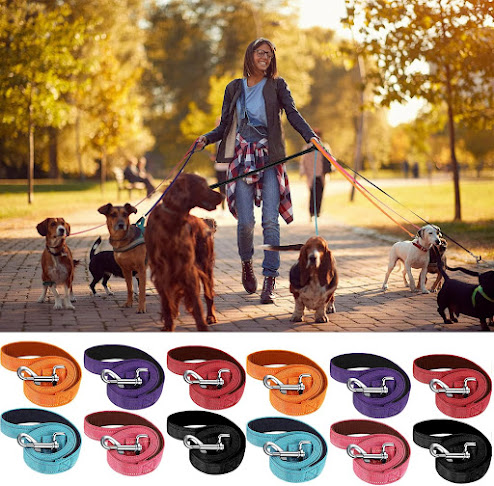
How to Start and Run a Puppy Daycare Center at Home

If you're a dog lover with space and time, starting a puppy daycare from home can be a fun and rewarding business. Here’s are some suggestions about how to get started with your doggy daycare at home, including puppy photos and grooming add-ons!

1. Check Local Laws and Zoning

Before getting started, check with your city or county to see if you're allowed to operate a pet daycare from your home. You may need:

  • A business license
  • A home occupation permit
  • Commercial or liability insurance
Tip: Some areas limit how many dogs you can care for at once.


2. Prepare Your Home for Puppies

Your space needs to be safe, clean, and puppy-proofed:

  • Fenced yard or enclosed outdoor play area
  • Indoor play space free of wires, sharp objects, and toxins
  • Separate zones for eating, sleeping, and play
  • Easy-to-clean floors (avoid carpet)

3. Get the Right Equipment

Essential puppy daycare supplies include:

  • Crates or kennels for nap time
  • Toys (safe and chew-resistant)
  • Food and water bowls
  • Cleaning supplies and disinfectants
  • Puppy gates and potty pads

4. Define Your Services and Pricing

Decide which services to offer, such as:

  • Half-day or full-day daycare
  • Grooming or training add-ons
  • Pickup and drop-off

Typical pricing ranges:

  • $20–$40 for half-day care
  • $30–$60 for full-day care
Pro tip: Offer discount packages to encourage regular visits.


5. Set Up Booking & Communication Systems

Make scheduling and communication easy with tools like:

  • Calendly or Acuity for online booking
  • Jotform for collecting pet info and vaccination records
  • WhatsApp or Instagram DMs for daily photo updates


6. Promote Your Daycare Locally

Use both online and offline marketing strategies:

  • Set up a simple website or landing page
  • Register on Google Business, Rover, Nextdoor, and Thumbtack
  • Share daily puppy content on TikTok or Instagram
  • Encourage reviews and referrals

7. Focus on Safety & Health

Safety and cleanliness are your top priorities. Be sure to:

  • Require updated vaccinations (rabies, distemper, bordetella)
  • Keep vet and emergency contacts available
  • Have a basic understanding of pet first aid
  • Separate aggressive or sick puppies immediately


8. Build Trust with Pet Parents

Strong communication builds lasting relationships:

  • Offer intro calls or meet-and-greets
  • Send behavior notes and photos
  • Offer holiday treats or small gifts
  • Create a referral or loyalty program


Final Thoughts

Starting a home-based puppy daycare can bring joy to both you and your community—plus steady income if done right. Focus on safety, clear communication, and a clean environment, and your dog-loving business will be set to thrive.

Quick disclaimer: Always check with local authorities to make sure you’re following all zoning and legal requirements.