Showing posts with label Financial Planning. Show all posts

Monday, June 15, 2026

Is Dogecoin Dead—or Could DOGE Still Hit $1? The Truth About the Next Big Move

Is Dogecoin Dead or Can DOGE Reach $1? A Plain-English Look at DOGE, Market Caps, Elon Musk, and Realistic Price Targets

Updated June 2026: Dogecoin is not dead, but it is also not the same “early” meme coin that shocked the market in 2021. DOGE still has brand recognition, liquidity, a huge community, and major exchange access. But for Dogecoin to return to $0.50, $0.75, or $1.00, investors need to understand one thing first: price alone does not matter — market cap and circulating supply matter more.

Dogecoin in Simple Terms

Dogecoin, ticker symbol DOGE, started as a joke cryptocurrency in 2013. It was based on the Shiba Inu “Doge” meme, but over time it became one of the most recognized cryptocurrencies in the world. Unlike Bitcoin, Dogecoin does not have a fixed maximum supply. New DOGE continues to be created each year, which means Dogecoin relies on continued demand, attention, trading volume, and community strength to support price growth.

As of this analysis, DOGE is trading around $0.09. Its all-time high was about $0.73 in May 2021. That means Dogecoin has already proven it can move dramatically during a speculative crypto cycle, but it has also shown how far it can fall after hype cools off.

Disclaimer:
This article is for educational and informational purposes only and is not financial advice. Cryptocurrency is highly volatile, and Dogecoin may gain or lose value quickly. Always do your own research and consider speaking with a licensed financial professional before making investment decisions.

Is Dogecoin Dead?

No, Dogecoin is not dead. A dead coin usually has little trading volume, weak exchange access, low community activity, and almost no market recognition. Dogecoin does not fit that description. DOGE is still one of the better-known cryptocurrencies, and it usually remains one of the largest meme coins by market cap.

However, Dogecoin is no longer a tiny underdog. It is now a mature meme coin. That matters because a mature coin can be harder to move. When Dogecoin was much smaller, a wave of retail buying, social media hype, and Elon Musk attention could push it sharply higher. Today, because the market cap is already much larger, it takes much more money and demand to move the price in the same dramatic way.

The better description is this: Dogecoin is not dead, but it is a high-risk, sentiment-driven crypto asset. It can still rise in a strong meme-coin market, but it should not be treated like a guaranteed recovery investment.


What Made Dogecoin Explode in 2021?

Dogecoin’s 2021 run was not caused by one thing. It was caused by several forces hitting at the same time:

  • Elon Musk attention: Musk repeatedly mentioned DOGE, tweeted about it, joked about it, and helped push it into mainstream conversation.
  • Retail trading mania: 2021 was the same era as GameStop, AMC, Robinhood trading, Reddit communities, and “meme stock” excitement.
  • Crypto bull market: Bitcoin, Ethereum, and many altcoins were also rising sharply.
  • Cheap-price psychology: Many people liked DOGE because it looked “cheap” compared with Bitcoin, even though market cap matters more than coin price.
  • Mainstream media coverage: Dogecoin became a household name for a short period.

DOGE last traded around the $0.50 range in May 2021. It later reached an all-time high around $0.73. That move was powerful, but it was also part of a rare speculative environment. Repeating it would likely require another broad crypto bull market and renewed meme-coin mania.


Could Dogecoin Reach $1?

Dogecoin can reach $1 mathematically, but it would require a very large market cap. This is where many new investors get confused. A coin’s price is not the whole story. You have to multiply price by circulating supply.

The basic formula is:

Coin Price × Circulating Supply = Market Cap

For a simple example, if Dogecoin has roughly 170 billion DOGE in circulation, then a $1 DOGE would imply a market cap of about:

$1.00 × 170 billion DOGE = $170 billion market cap

That is not impossible, but it is a major number. It would require Dogecoin to become far more valuable than it is today. It would also require strong demand despite Dogecoin’s ongoing annual supply increase.

So the honest answer is: Dogecoin reaching $1 is possible in a major speculative crypto cycle, but it is not a conservative or guaranteed expectation.


What Would It Take for DOGE to Reach $0.50 Again?

If DOGE is around $0.09 today, then a move to $0.50 would be about a 5.5x move.

Example:

  • Current DOGE price: about $0.09
  • Target DOGE price: $0.50
  • Approximate return needed: 455% gain

A move from $0.09 to $0.50 is possible in crypto, but it would likely need a combination of:

  • A strong Bitcoin and crypto bull market
  • Renewed interest in meme coins
  • High retail trading participation
  • Social media momentum
  • Possibly an Elon Musk or X-related catalyst
  • More real-world usage or payment adoption

Without those catalysts, DOGE could remain stuck in a lower range for a long time.


The Elon Musk Problem: Does He Still Move Dogecoin?

Elon Musk was a major part of Dogecoin’s 2021 story. His tweets, jokes, and public comments helped turn DOGE into a mainstream meme asset. But the market may not trust the Elon-DOGE connection the same way it did before.

In 2021, many retail traders believed Elon’s attention could send DOGE “to the moon.” Today, more people are skeptical. Some investors feel burned after buying near higher prices. Others believe Elon has moved on to bigger priorities such as Tesla, SpaceX, X, AI, robotics, and private-company wealth creation.

That does not mean Elon has no effect. A direct DOGE mention can still cause a short-term price pop. But the effect appears weaker than it was in 2021. The market has more memory now. Traders know that an Elon mention can create excitement, but they also know it may not create a lasting breakout.

Bottom line: Elon can still influence Dogecoin sentiment, but Elon alone may not be enough to recreate the 2021 DOGE rally.


Why “Can DOGE Reach $1?” Is the Wrong First Question

Many people ask whether Dogecoin can hit $1 because $1 feels like a clean, exciting target. But the better question is:

How much market cap would DOGE need to reach that price?

This is especially important when comparing DOGE to tiny meme coins. A coin trading at $0.00000001 is not automatically “cheaper” than Dogecoin. If that coin has hundreds of trillions of tokens, reaching $1 may be almost impossible because the market cap would need to become larger than the entire global crypto market.

For example:

  • A small meme coin with 770 trillion tokens would need a $770 trillion market cap to reach $1.
  • Dogecoin with roughly 170 billion tokens would need about a $170 billion market cap to reach $1.

Both are large numbers, but they are not the same. This is why investors should focus on percentage return, market cap, liquidity, and supply instead of just coin price.


If Someone Bought Dogecoin at $0.35 or $0.39, What Needs to Happen?

Many DOGE holders bought during a hype cycle and are now sitting on a loss. If someone bought DOGE at $0.35, DOGE needs to return to $0.35 just to break even. If someone bought at $0.39, DOGE needs to return to $0.39 to break even.

Using a current DOGE price around $0.09:

Average Buy Price Current Price Example Approximate Gain Needed to Break Even
$0.35 $0.09 About 289%
$0.39 $0.09 About 333%
$0.50 $0.09 About 455%
$1.00 $0.09 About 1,011%

This is why holding DOGE after buying high is emotionally difficult. A person may feel like they are “only” waiting for DOGE to recover, but the math shows that recovery requires a very large move.


Example: If You Own 2,307 DOGE at a $0.39 Average Cost

Here is a simple example. If someone owns 2,307 DOGE with an average cost of $0.39, their original investment was:

2,307 × $0.39 = $899.73

If DOGE is around $0.09, that position is now worth about:

2,307 × $0.09 = $207.63

That means the person is down roughly $692, depending on the live market price.

If DOGE returns to $0.39, the position returns to about $899.73. If DOGE reaches $0.50, the position becomes:

2,307 × $0.50 = $1,153.50

If DOGE reaches $1.00, the position becomes:

2,307 × $1.00 = $2,307

This shows why people keep holding DOGE. The upside is still there if a major rally happens. But the risk is that the rally may not happen soon, or may not happen at all.


Is It Better to Hold DOGE or Move Into Bitcoin?

This depends on the goal. Bitcoin and Dogecoin have very different risk profiles.

If Bitcoin moves from $68,000 to $90,000, that is about a 32% gain. If someone moves $208 into Bitcoin at $68,000 and Bitcoin reaches $90,000, the $208 becomes about $275.

If that same person keeps 2,307 DOGE and DOGE reaches $0.50, the position becomes about $1,153.50.

So DOGE has the larger upside if it makes a big move. But Bitcoin has the stronger investment case, deeper institutional demand, better scarcity narrative, and lower meme-coin risk.

Simple answer: Bitcoin is more likely to make a moderate move. Dogecoin is less predictable, but it has more upside if meme-coin mania returns.


People Also Ask: Will Dogecoin Reach $1?

Dogecoin could reach $1, but it would require a very large market cap and strong market demand. At a circulating supply around 170 billion DOGE, a $1 price would imply a market cap around $170 billion. That would require a major crypto bull market, renewed meme-coin demand, strong liquidity, and probably a mainstream catalyst. It is possible, but it should not be treated as guaranteed.


People Also Ask: Does Dogecoin Still Have a Future?

Yes, Dogecoin still has a future, but mostly as a meme-driven, community-backed digital asset. DOGE has brand recognition, a long history, major exchange access, and a loyal community. However, its future depends on demand, attention, payment adoption, and broader crypto-market conditions. It does not have the same smart-contract utility story as Ethereum or Solana, so its investment case is more dependent on culture, liquidity, and market sentiment.


People Also Ask: What If You Invested $1,000 in Dogecoin 5 Years Ago Today?

Using a historical price around $0.3205 on June 15, 2021, a $1,000 investment would have bought about:

$1,000 ÷ $0.3205 = approximately 3,120 DOGE

If DOGE is now around $0.09, that 3,120 DOGE would be worth about:

3,120 × $0.09 = approximately $281

That means a person who invested $1,000 in DOGE five years ago at that price would be down significantly today. This is why entry price matters so much. Dogecoin created massive gains for people who bought early, but it also created major losses for people who bought during the hype cycle.

Dogecoin progress and regression: 2020–2026

DOGE moved from almost nothing in 2020, surged to its 2021 peak, then fell sharply and remains far below its all-time high.

Chart note for the blog:
Dogecoin’s history shows both the upside and the risk. DOGE moved from fractions of a penny to about $0.73 in May 2021, then fell sharply and is now around $0.09. That means DOGE is not dead, but it would need a major new rally to return to the levels many holders bought at. CoinGecko lists DOGE’s all-time high around $0.7316, Coinbase lists about $0.7376, and the current live DOGE price is around $0.09.

People Also Ask: How Much Is $500 Worth of Dogecoin Right Now?

If DOGE is trading around $0.09, then $500 would buy approximately:

$500 ÷ $0.09 = about 5,555 DOGE

The exact number changes constantly because crypto prices move every minute. If DOGE rises, $500 buys fewer coins. If DOGE falls, $500 buys more coins.


Should You Consolidate Small Meme Coins Into Dogecoin?

If someone owns several tiny meme coins, consolidating into Dogecoin may reduce some risk, but it does not remove risk. DOGE is generally stronger than many small meme coins because it has:

  • More liquidity
  • More exchange access
  • More name recognition
  • A longer trading history
  • A larger community

But Dogecoin is still speculative. It is not the same as moving into Bitcoin, Ethereum, or a broad market index. DOGE is more established than tiny meme coins, but it is still a meme coin.

A practical way to think about it:

  • Tiny meme coins: Higher lottery-ticket upside, much higher failure risk.
  • Dogecoin: Lower chance of disappearing, but still high volatility.
  • Bitcoin: Lower upside than DOGE in a meme rally, but stronger long-term asset quality.

Why a “Cheap Coin” Is Not Always a Better Opportunity

Many investors think a coin priced at $0.00000001 has more upside than Dogecoin because it looks cheaper. That is not always true. The reason is supply.

A coin with hundreds of trillions of tokens may look cheap, but it may need an impossible market cap to reach even one cent, let alone one dollar. Dogecoin also has a large supply, but it is far smaller than some ultra-high-supply meme coins.

The better question is not:

“Can this coin reach $1?”

The better questions are:

  • What is the current market cap?
  • What is the circulating supply?
  • How much volume does it have?
  • Is there real liquidity?
  • Is there a strong community?
  • Is there a catalyst?
  • What market cap would it need to reach my target price?

Realistic DOGE Price Scenarios

```
DOGE Price Target What It Means From $0.09 Plain-English Interpretation
$0.15 About 67% gain Possible with a moderate crypto rally
$0.25 About 178% gain Requires stronger meme-coin interest
$0.39 About 333% gain Break-even level for many high-entry holders
$0.50 About 455% gain Major meme-cycle recovery level
$0.73 About 711% gain Return to all-time-high territory
$1.00 About 1,011% gain Possible only with a very large market-cap expansion

Final Take: Is Dogecoin Worth Keeping?

Dogecoin is not dead. It still has a future as a major meme coin, and it could rise again if crypto enters another speculative bull market. But Dogecoin is not a guaranteed path back to $0.50 or $1.00.

If someone bought DOGE around $0.35 to $0.39, selling now locks in a large loss. Holding gives the position a chance to recover if DOGE gets another meme cycle. But holding also carries opportunity cost because that money could be moved into Bitcoin, Ethereum, Solana, or another asset with a stronger investment case.

The cleanest way to think about DOGE is this:

  • DOGE is not dead.
  • DOGE is not early anymore.
  • DOGE can still pump, but it needs market-wide help.
  • Elon Musk can still create attention, but his influence appears weaker than in 2021.
  • A return to $0.50 is possible, but not guaranteed.
  • A move to $1 would require a very large market cap and major renewed demand.

For small holders, DOGE may function like a long-shot option on another meme-coin cycle. For serious investing, it should be treated as speculative and sized carefully.

Disclaimer: This article is for educational purposes only and is not financial advice. Cryptocurrency is highly volatile. Always do your own research and consider speaking with a licensed financial professional before making investment decisions.

Sunday, February 1, 2026

What is an Installation Floater? In Plain English for Marine Inland Insurance Policy

What Is an Installation Floater? (Inland Marine Insurance Explained for the Wedding Industry)

If you run a wedding business that moves décor, rentals, or structures from venue to venue, an installation floater can be one of the most important—and most misunderstood—insurance coverages you have.

Quick Definition (Plain English)

An installation floater is a type of inland marine insurance that covers your wedding-related property while it is:

  • In transit to or from a wedding venue
  • Temporarily stored at the venue
  • Waiting to be installed or set up
  • Partially installed or staged
  • Being set up before the event

Coverage generally lasts until the installation is complete and the event occurs. Think of it as: insurance for your wedding assets while they are on the way to becoming part of the event.

What “Inland Marine” Means (and Why Wedding Businesses Need It)

Despite the name, inland marine insurance has nothing to do with boats. It’s designed to insure mobile business property—items that regularly move between locations.

Common Wedding Industry Examples

  • Arches and ceremony backdrops
  • Floral installations and structures
  • Tables, chairs, linens, and décor
  • Custom signage and displays
  • Tents and temporary structures

Where Property Policies Fall Short

  • Usually only cover items at your shop or warehouse
  • Limited or no coverage while items are off-site
  • Do not address venue setup risk

What an Installation Floater Typically Covers

While coverage varies by insurer, an installation floater often protects wedding businesses from:

Often Covered (Policy-Specific)

  • Theft from a venue or job site
  • Fire or smoke damage
  • Vandalism
  • Accidental breakage during setup
  • Damage during transit
  • Weather-related loss (depending on policy)

Common Exclusions

  • Poor workmanship or improper setup
  • Normal wear and tear
  • Mechanical or structural failure
  • Earthquake (unless added)
  • Flood (often separate)


Real-World Wedding Scenarios

Installation floaters matter most during the riskiest moments of a wedding setup, such as:

  • Floral arches delivered and stored overnight at a venue
  • Rental furniture staged before the ceremony
  • Décor installed the day before a wedding
  • Tents or structures partially assembled prior to the event

How Installation Floaters Are Usually Structured

Installation floaters are commonly written as:

  • Per-event or per-job limits (example: $50,000 per wedding)
  • Total aggregate limits across all active events
  • Requirements to itemize high-value décor or structures above a certain dollar amount

Tip: Custom floral structures, arches, or specialty rentals are often best scheduled individually.


Quick Comparison: Wedding Insurance Coverages

Coverage Best For What It Protects
General Liability Events & venues Injuries or damage to others
Property Policy Your shop or warehouse Décor and inventory at your location
Inland Marine / Installation Floater Transport & setup Wedding assets while moving or being installed

Questions to Ask Your Insurance Broker

  • Do we have inland marine coverage for décor and rentals off-site?
  • Does our policy include an installation floater for setup before the event?
  • What are the per-event and aggregate limits?
  • Do we need to itemize items over a certain value?
  • Are earthquake and flood excluded unless added?

Bottom line: An installation floater protects your wedding décor, rentals, and structures while they’re in transit, staged at a venue, or being installed—before the event is complete.

Disclaimer: This information is provided for general educational purposes only and does not constitute insurance advice. Coverage needs vary by business. Please consult a licensed insurance broker or agent to determine the appropriate coverage for your specific situation.

Friday, January 30, 2026

Who Pays for Public Parks and Rec Leisure Facilities?

Who Pays for Public Leisure Facilities?

Large-scale leisure and sport facilities—such as 100,000-seat stadiums, domed arenas, parks, and recreation centers—require significant capital investment to build, operate, and maintain. In the public sector, funding responsibility is shared among taxpayers, users, and, increasingly, private partners.

While public agencies have the authority to raise funds through taxation, financial managers are acutely aware of taxpayer resistance to higher taxes. As a result, governments have deliberately limited how deeply they rely on general tax revenues, often in response to voter-approved tax limitations and public sentiment.

Public Leisure Service Organizations: An Overview

Most public sport, recreation, and leisure services are provided by municipal agencies whose mission is to serve residents and improve community quality of life. These organizations manage parks, recreation programs, and community facilities using a mix of public and earned revenues.

  • Primary providers: city and county parks and recreation departments
  • Core funding source: local and state tax revenues
  • Supplemental funding: user fees, program charges, rentals, and partnerships

Organizational Structure and Authority

Public leisure service organizations do not follow a single structural model. However, most operate under formal government oversight with clearly defined fiscal authority.

  • Most are housed within municipal or county government structures
  • Independent park districts with separate taxing authority exist in some states
  • Policy boards (elected or appointed) approve budgets and major expenditures
  • Daily financial operations are managed by professional administrators

Quote from Oliver Wendell Holmes Jr. 

“I like to pay taxes. With them, I buy civilization.”
— Oliver Wendell Holmes Jr.

Who Approves Spending and Budgets?

Public leisure agencies are legally authorized to spend money only after budgets are approved by a legislative body, such as a city council or county board of supervisors.

  • Legislatures approve annual operating budgets
  • Oversight remains with elected officials
  • Fiscal practices must comply with state and local laws
  • Regular audits ensure accountability to taxpayers

Financial Goals: Public Good vs. Profit

The primary goal of public leisure service organizations is not profit, but the delivery of social, health, and community benefits. However, modern public agencies are increasingly expected to recover costs where possible.

  • Improve quality of life and community well-being
  • Provide equitable access to parks and recreation
  • Enhance economic vitality and neighborhood attractiveness


Operating Funds: Who Pays Day-to-Day Costs?

Historically, public leisure services were almost entirely funded through tax revenues. Today, funding models are more diversified.

  • Taxpayers fund baseline services such as parks and open spaces
  • Users pay fees for programs, classes, facility rentals, and memberships
  • Public leisure agencies now generate between 15% and 100% of operating funds through earned revenue

Capital Projects: Who Pays for Buildings and Facilities?

Major capital investments—such as recreation centers, aquatic facilities, and stadiums—are typically financed separately from operating budgets.

  • Tax-supported bonds often fund construction of large facilities
  • Grants, voter-approved levies, and special assessments may contribute
  • Facilities are evaluated based on both public benefit and revenue potential


Revenue Expectations by Facility Type

Not all public leisure facilities are expected to generate the same level of revenue.

  • Parks: Typically free and fully taxpayer-supported
  • Recreation centers: Expected to cover operating costs and possibly contribute to debt repayment
  • Specialized facilities (e.g., aquatic centers): Often expected to break even or generate surplus revenue
  • Facilities like skate parks: Viewed primarily as social investments, with limited cost recovery expectations

Balancing Public Benefit and Financial Responsibility

Decisions to build and operate public leisure facilities balance financial feasibility with social value. Some facilities are designed to pay for themselves, while others are justified by their contribution to youth safety, health, and community cohesion.


Friday, January 23, 2026

Explore 2026 Tax Advantages and Financial Power of the Public Sector

Introduction to financial resource management in sport, tourism, and leisure service organizations.

Approaches to financial resource management in sport, tourism, and leisure service organizations vary widely based on organizational mandate, goals, and political context. Despite this variation, nearly all such organizations fall into one of three categories: public sector, private nonprofit, or commercial enterprise. Each sector exhibits distinctive financial characteristics that directly influence budgeting, revenue generation, accountability, and long-term planning.

While differences among these sectors are important, it is equally critical to recognize the shared financial principles and management competencies that apply across all sport, tourism, and leisure organizations.

Public Sector Sport, Tourism, and Leisure Enterprises

Public sector sport, tourism, and leisure organizations typically operate as extensions of government and carry a broad mandate to serve the entire community. Their primary purpose is to enhance quality of life, provide equitable access to services, and address social needs rather than generate profit.

  • Operate at municipal, state, or federal levels (e.g., parks departments, public universities, convention and visitors bureaus)
  • Emphasize nondiscriminatory service delivery and universal access
  • Rely primarily on public funding rather than earned revenue

Legislative and Legal Foundations

A defining feature of public sector organizations is their legally granted authority to collect and allocate public funds. This authority is grounded in constitutional and statutory frameworks.

  • Federal authority to tax and fund programs is established by the U.S. Constitution
  • State governments must include taxation and public funding provisions in their constitutions
  • Local governments may only fund sport, tourism, and leisure services when enabled by state legislation

Quote by Adam Smith (1723–1790)

“The expense of institutions for the education of youth, and for the instruction of people of all ages, is no doubt beneficial to the whole society, and may therefore, without injustice, be defrayed by the general contribution of the whole society.”
— The Wealth of Nations

Reddit post: "A man must always live by his work. . . Adam Smith, quoted from
his work "The Wealth of Nations," C. 1776.
"

Social Roles and Public Expectations

Public sport, tourism, and leisure organizations exist to meet collective social needs. Taxpayers expect these organizations to use public funds to support community well-being and social equity.

  • Provision of low-cost or fully subsidized services is widely expected
  • Facilities such as neighborhood parks are viewed as essential public goods
  • Programs often function as tools of social policy and community development

Market Management Philosophy

Unlike commercial enterprises, public organizations prioritize need-based service delivery rather than profit potential. Marketing and distribution strategies are designed to maximize access rather than revenue.

  • Market segmentation is based on community need, not financial return
  • Pricing strategies emphasize affordability and inclusion
  • Public agencies may withdraw from markets once private providers can meet needs without tax support

John Maynard Keynes (1883–1946)

“The important thing for government is not to do things which individuals are doing already, but to do those things which at present are not done at all.”

Photo: John Maynard Keynes

Indicators of Financial Success

Financial success in the public sector is measured by effectiveness and accountability rather than profit.

  • Achievement of targeted revenue and expenditure levels
  • Efficient use of public funds
  • Demonstrable social and economic benefits to the community

Tax Advantages and Financial Power of the Public Sector

One of the most significant financial advantages enjoyed by public sector sport, tourism, and leisure organizations is their tax-related status and fiscal authority.

  • Tax exemption: Public agencies are generally exempt from sales and intergovernmental taxes, increasing their purchasing power
  • Taxing authority: Governments can compel revenue collection through taxation rather than relying solely on market demand
  • Low-cost borrowing: Public entities are considered low-risk borrowers due to their ability to use future tax revenues as collateral
  • Volunteer labor: Public goodwill often translates into volunteer support, reducing labor costs

Financial Management Challenges

These advantages are balanced by substantial challenges that shape public sector financial management.

  • High levels of public and legislative scrutiny
  • Extensive reporting and compliance requirements
  • Sensitivity to shifting political priorities and leadership changes

Quote by Mariana Mazzucato (economist, 2010s–present)

“Public value is not a byproduct of private profit—it is something governments actively create.”

Competition and Perception Issues

The public sector’s taxing power and tax-exempt status can create competitive imbalances with private and nonprofit providers.

  • Private organizations often view public agencies as unfair competitors
  • Public organizations are frequently perceived as having “deep pockets”
  • These perceptions contribute to ongoing tension between public and private sector service providers

Saturday, July 26, 2025

Could These 5 Altcoins Beat Bitcoin in 2025?

Here are five altcoins often cited by analysts and market experts as having the potential to rival Bitcoin’s performance in 2025—though remember, past performance ≠ future results, and crypto remains highly volatile.

1. Ethereum (ETH)

Why it stands out: Ethereum's transition to Proof-of-Stake (Ethereum 2.0) and its dominance in DeFi and NFT applications are fueling strong ecosystem growth.

Outlook for 2025: Predictions often target $5,000–$10,000+ per ETH based on widespread dApp adoption and potential Ethereum spot ETFs.

2. Solana (SOL)

Why it stands out: Known for ultra-fast transaction speeds (50k+ TPS) and low fees, Solana remains a favorite among DeFi and NFT developers.

Outlook for 2025: Forecasts range from $500–$750, with upside tied to ecosystem expansion and ETF approvals.

3. Ripple (XRP)

Why it stands out: Designed for fast, low-cost cross-border payments, XRP may see major institutional adoption if legal clarity is achieved in the U.S.

Outlook for 2025: Price range estimates vary from $3–$5, largely depending on regulatory resolution and potential ETF listing.

4. Cardano (ADA)

Why it stands out: Cardano boasts a research-driven design, an energy-efficient Proof-of-Stake model, and a strong push toward sustainability and real-world use cases.

Outlook for 2025: Projections range from $1.50 to $3—up to 10x potential from current levels if adoption accelerates.

5. Chainlink (LINK)

Why it stands out: Chainlink provides decentralized oracle services, connecting smart contracts to real-world data—essential for tokenization and DeFi infrastructure.

Outlook for 2025: With real-world asset tokenization on the rise, LINK could hit $50–$100+ depending on adoption.

Summary Table

Altcoin Key Strengths 2025 Price Outlook
ETH Smart contracts, NFTs, DeFi $5,000–10,000+
SOL High speed, low fees, developer activity $500–750
XRP Payments, regulatory tailwinds $3–5
ADA Sustainability, academic backing $1.50–3
LINK Real-world data oracles $50–100+

Closing Thoughts

Ethereum, Solana, XRP, Cardano, and Chainlink are frequently cited as having the infrastructure, utility, and strategic vision to potentially match or exceed Bitcoin’s returns in 2025. But remember, even strong fundamentals don't guarantee future performance.

Important Disclaimers

  • These are analyst projections and speculative scenarios—not guaranteed outcomes.
  • Crypto markets are highly volatile; even high-potential tokens can decline sharply.
  • Events like regulation, tech bugs, or market panic can derail any forecast.
  • Diversification and risk management are essential—never invest more than you can afford to lose.
  • Do research talk to an financial advisor. These are just speculations. 
----------------------------------------------------------------

Explore New York Times Best Sellers on life transformation
—alongside my personal favorite reads.


Book: Take a deep-dive into the wine industry with
"Cellar Rat: My Life in the Restaurant Underbelly"
Summary: Town & Country's Best Books of Spring 2025 | Kirkus Reviews's Most Anticipated Nonfiction of Spring 2025 | Amazon's Best Books of the Month | American Writers Museum's Staff Picks
What happens when a career you love doesn’t love you back?
As Hannah Selinger will tell you, to be a good restaurant employee is to be invisible. At the height of her career as a server and then sommelier at some of New York’s most famed dining institutions, Selinger was the hand that folded your napkin while you were in the bathroom, the employee silently slipping into the night through a side door after serving meals worth more than her rent. 


Friday, July 25, 2025

Do Markets Swing Before Fed Rate Decisions? Crypto Goes Wild Before the Fed Talks!

Do Markets Swing Before Fed Rate Decisions?

Yes — historical data shows that extreme market swings, especially in crypto and stocks, often occur before the Federal Reserve announces interest rate changes or policy updates. 

Ever noticed how Bitcoin and the rest of the crypto zoo start glitching out right before a Fed rate decision? That’s not a coincidence. When the Fed so much as blinks, crypto either moonwalks or melts down.

Why Does This Happen?

  • Uncertainty ahead of policy announcements increases volatility.
  • Interest rates impact liquidity, inflation expectations, and risk appetite.
  • Traders reposition ahead of anticipated Fed moves.

Historical Examples

  • March 2020: Fed slashed rates to 0% — Bitcoin dropped below $4,000 before rebounding sharply.
  • 2021–2022: As the Fed started hiking rates, crypto and equities saw major declines.
  • 2023–2024: Traders swung between “rate cut” optimism and hawkish Fed surprises, causing major volatility in BTC and tech stocks.

Photo: Google BTC Market Summary

Market Behavior Timeline

Timeframe Typical Market Behavior
1–2 weeks before Choppy, speculative trading
1–3 days before Rising volatility, mixed sentiment
Hours before Sharp price moves, positioning risk
After announcement Rapid reaction, often followed by a reversal

Impact on Crypto

  • Bitcoin usually leads price action.
  • Altcoins often overreact with larger percentage swings.
  • Leveraged positions (especially in DeFi) are more vulnerable to liquidation during swings.
Takeaway:
Extreme swings before Fed decisions are historically common. These events serve as key turning points in macro-driven markets, including crypto.

Why the Chaos?

  • Markets hate guessing games. Before the Fed speaks, everything’s speculation.
  • Interest rates are like oxygen for risk assets—more rates = less crypto breathing room.
  • Traders go full degen or duck and cover depending on the mood.


Historical Freakouts

  • March 2020: Bitcoin tanked to sub-$4K before the Fed hit zero rates. Then it rocket-launched.
  • Late 2021–2022: The Fed got hawkish, and BTC dropped from $69K to $17K. Yikes.
  • 2023–2024: Every speech moved the charts like Elon tweets used to.

Video: Black Monday ~ The Wolf of Wall Street (2013)


What Happens Around Fed Day?

Timing What Crypto Does
1–2 weeks before Sideways chop and wild theories
48 hours before Whales position, volatility ticks up
Hours before Sharp spikes, fakeouts, leverage ramps
Right after the announcement Full chaos—expect knee-jerk pumps or dumps

Why It Hits Crypto So Hard

  • Bitcoin is macro now—Fed speaks, BTC reacts.
  • Altcoins get rekt harder on uncertainty and low liquidity.
  • Leverage amplifies pain and profit—liquidations skyrocket during Fed weeks.
Heads up: If you're trading around Fed announcements, expect volatility. Set stops, take profits, or strap in tight.

⚠️ Disclaimer: This post is for informational and educational purposes only. It is not investment advice. Crypto is risky, volatile, and may result in total loss. Always do your own research and consult a financial advisor before making investment decisions.


Friday, July 18, 2025

Love, Fat, and Money: Fix Your Life One Brutal Truth at a Time

How to Make Better Choices in Love, Weight Loss, and Finances

Because success in life often comes down to the decisions we make daily

We all want to be healthier, happier, and more financially secure—but most of us struggle to keep all three in balance. Love, weight loss, and money may seem like separate areas of life, but at the core, they all thrive on the same foundation: better choices, made consistently.

Here’s how to start making better decisions in all three areas—without burnout, guilt, or perfectionism.

1. Love Isn’t a Damn Fairytale—Choose Growth, Not Perfection ❤️

Too often, we chase ideal partners or get stuck in cycles of settling. Whether you’re single or in a relationship, better choices in love start with self-awareness.

  • Date with intention, not just emotion: Ask: Do they align with my values? not just Do they give me butterflies?
  • Practice emotional honesty: Say what you mean. Ask for what you need. It’s not about being perfect—it’s about being real.
  • Choose progress over comfort: Relationships thrive on communication and mutual growth, not just chemistry.
Love isn’t something that just happens—it’s something we build through healthy choices, day by day.


2. Weight Loss: Choose Consistency Over Extremes 🥗🏋️

There’s no shortage of diets and workouts promising quick results. But the truth? Sustainable change is built on small, consistent decisions.

  • Don’t chase perfection: Choose the better option—not the perfect one. A 20-minute walk is better than no workout. A balanced plate is better than skipping meals.
  • Create routines, not restrictions: Instead of cutting everything out, build habits you can live with for the long term.
  • Be kind to yourself: Progress isn’t always linear. One slip doesn’t undo everything—it’s just one moment.
Every meal, every workout, and every choice is a vote for the kind of future you want.

3. Finances: Choose Clarity Over Convenience

Money is one of the biggest sources of stress—and also one of the most empowering areas to take control of. Better financial decisions aren’t about how much you make, but what you do with what you have.

  • Know your numbers: Track spending for 30 days. Awareness is the first step toward control.
  • Delay gratification: Ask: Do I want this more than I want financial freedom?
  • Invest in what matters: That includes your future (savings/investing), your health, and your peace of mind.
Money is a tool. Use it to build a life that feels good on the inside—not just looks good on the outside.

Final Thoughts

You don’t have to overhaul your life overnight. Start small. Choose better—not perfect. Whether it’s the partner you open up to, the food you put on your plate, or the way you spend $20—you’re shaping your future every day.

Better choices aren’t always easy—but they’re always worth it.

Friday, July 11, 2025

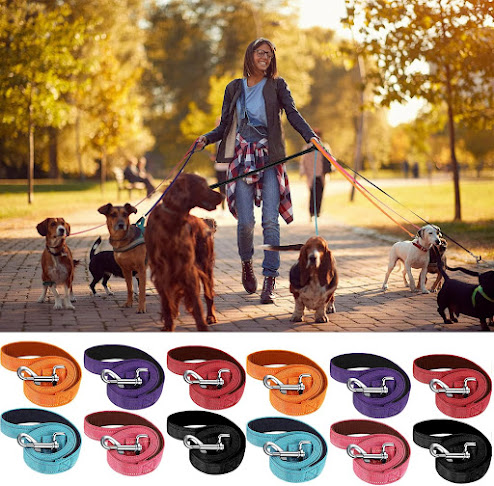
How to Start and Run a Puppy Daycare Center at Home

If you're a dog lover with space and time, starting a puppy daycare from home can be a fun and rewarding business. Here’s are some suggestions about how to get started with your doggy daycare at home, including puppy photos and grooming add-ons!

1. Check Local Laws and Zoning

Before getting started, check with your city or county to see if you're allowed to operate a pet daycare from your home. You may need:

  • A business license
  • A home occupation permit
  • Commercial or liability insurance
Tip: Some areas limit how many dogs you can care for at once.


2. Prepare Your Home for Puppies

Your space needs to be safe, clean, and puppy-proofed:

  • Fenced yard or enclosed outdoor play area
  • Indoor play space free of wires, sharp objects, and toxins
  • Separate zones for eating, sleeping, and play
  • Easy-to-clean floors (avoid carpet)

3. Get the Right Equipment

Essential puppy daycare supplies include:

  • Crates or kennels for nap time
  • Toys (safe and chew-resistant)
  • Food and water bowls
  • Cleaning supplies and disinfectants
  • Puppy gates and potty pads

4. Define Your Services and Pricing

Decide which services to offer, such as:

  • Half-day or full-day daycare
  • Grooming or training add-ons
  • Pickup and drop-off

Typical pricing ranges:

  • $20–$40 for half-day care
  • $30–$60 for full-day care
Pro tip: Offer discount packages to encourage regular visits.


5. Set Up Booking & Communication Systems

Make scheduling and communication easy with tools like:

  • Calendly or Acuity for online booking
  • Jotform for collecting pet info and vaccination records
  • WhatsApp or Instagram DMs for daily photo updates


6. Promote Your Daycare Locally

Use both online and offline marketing strategies:

  • Set up a simple website or landing page
  • Register on Google Business, Rover, Nextdoor, and Thumbtack
  • Share daily puppy content on TikTok or Instagram
  • Encourage reviews and referrals

7. Focus on Safety & Health

Safety and cleanliness are your top priorities. Be sure to:

  • Require updated vaccinations (rabies, distemper, bordetella)
  • Keep vet and emergency contacts available
  • Have a basic understanding of pet first aid
  • Separate aggressive or sick puppies immediately


8. Build Trust with Pet Parents

Strong communication builds lasting relationships:

  • Offer intro calls or meet-and-greets
  • Send behavior notes and photos
  • Offer holiday treats or small gifts
  • Create a referral or loyalty program


Final Thoughts

Starting a home-based puppy daycare can bring joy to both you and your community—plus steady income if done right. Focus on safety, clear communication, and a clean environment, and your dog-loving business will be set to thrive.

Quick disclaimer: Always check with local authorities to make sure you’re following all zoning and legal requirements.


Thursday, July 10, 2025

6 Illegal Side Hustles That Are Legal in Some States

Exploring America’s Legal Patchwork of Hustles and Side Incomes

In the age of the gig economy, side hustles have become a staple of financial independence. But not all hustle is created equal—what's perfectly legal in one state might land you in serious trouble in another. This legal inconsistency creates a strange gray zone where certain activities straddle the line between innovative entrepreneurship and outright criminality.

Here’s a look at a few controversial side hustles that are legal in some U.S. states but illegal—or at least heavily restricted—in others.

1. Cannabis-Related Businesses

Legal in: California, Colorado, Oregon, New York, and others
Illegal in: Idaho, Kansas, South Carolina, and more

Selling or growing cannabis for recreational use can be a thriving side hustle—but only where it's legalized and licensed. In states like California or Colorado, you might be a respected small business owner. Cross the state line into Idaho, and you’re a felon.

Side Hustle Examples:

  • Growing cannabis for dispensaries
  • Infused edible baking businesses
  • Mobile budtender services
Risks: Federal illegality still applies; transporting across state lines is a federal offense.


2. Raw Milk Sales

Legal in: Pennsylvania, California, Washington, and others
Illegal in: Michigan (retail sale), Nevada, and more

Raw (unpasteurized) milk is prized by health enthusiasts but banned outright in many places due to safety concerns. In states where it’s legal, small farmers can make solid money selling directly to consumers.

Side Hustle Examples:

  • Raw milk co-ops or herd shares
  • Homemade raw cheese production
Risks: Selling in a state where it's banned can lead to fines, product seizures, or criminal charges.


3. Online Sports Betting

Legal in: New Jersey, Pennsylvania, Illinois, etc.
Illegal or restricted in: Texas, California (as of mid-2025), Utah, etc.

Sports betting apps and platforms have exploded in popularity, but the legality of operating or profiting from betting-related activities varies wildly by state.

Side Hustle Examples:

  • Affiliate marketing for sports betting platforms
  • Tipster services and betting syndicates
Risks: Operating or promoting betting in banned states could be considered gambling facilitation or racketeering.


Photo: Sportsbook at Wynn Las Vegas, during Super Bowl XLII, February 2008

4. Cottage Food Production (Homemade Foods)

Legal in: Most states (with regulations)
Highly restricted or illegal in: Some parts of New Jersey, Hawaii

Many people bake cookies or make jams at home and sell them at farmers’ markets or online. This is generally allowed under "cottage food laws," but regulations vary significantly.

Side Hustle Examples:

  • Home-baked goods
  • Jams, pickles, spice blends
Risks: Operating without the right permit can bring hefty fines, especially if you sell across state lines.


5. Freelance Tattooing or Body Art at Home

Legal in: Some states allow home studios with proper licensing (e.g., Oregon)
Illegal in: Many states, especially without health department certification

Tattooing from home might be a thriving underground side gig—but it’s illegal in many states unless done in a licensed shop.

Side Hustle Examples:

  • Custom tattooing
  • Permanent makeup services (microblading, etc.)
Risks: Operating without a license or outside of a registered facility can lead to criminal charges and health violations.


6. Unlicensed Rideshare Driving (Private Transportation)

Legal in: Some states have informal tolerance or local licensing
Illegal in: Many cities and counties require Uber/Lyft or taxi licenses

Some people offer rideshare services through Craigslist or word of mouth, bypassing official apps. This may be common and tolerated in rural areas, but strictly regulated in cities.

Side Hustle Examples:

  • Private “designated driver” services
  • Off-the-books airport runs
Risks: Impoundment, fines, and lawsuits in case of accidents.


Final Thoughts: Know Before You Hustle

If you're chasing that extra income, it’s critical to understand not just what you're doing, but where you're doing it. America’s legal map is patchwork—what might make you money in one state could earn you a criminal record in another.

Always check state and local laws before starting any unconventional side hustle. When in doubt, consult a small business attorney or local regulatory agency.

Have a side hustle idea but not sure if it's legal in your state? Drop it in the comments or ask, and we’ll help you dig into the details.


Monday, June 30, 2025

Side Hustle Alert - Turn Your Expertise Into Income Coaching or Consulting:

If you've recently lost your job, need extra income in this economy, or you're a stay-at-home parent looking to work from home—this is for you. Want to get paid for what you already know?

Learn how to turn your experience into a profitable coaching or consulting business. Whether you're starting a side hustle or building a full-time income, I’ll walk you through how to launch online and the legal steps to protect yourself.

Step one: Pick your niche.

  1. What do people already come to you for?
  2. Health, mindset, parenting, career, or finances—choose who you help and how.


Step two: Create a simple offer to showcase the service that you offer.

  1. Start with one-on-one Zoom sessions, a 30-day accountability program, or a power hour call.
  2. Add worksheets, email check-ins, or a welcome guide to increase the value.

Step three: Set up the basics.

Use Calendly to schedule calls, PayPal or Stripe for payments, and a simple landing page or LinkedIn profile to show your credibility.


Photo: Calendly schedule a session example.


Step four: Promote it.

Post helpful tips online, ask your network for referrals, and offer a few discounted or free sessions in exchange for testimonials.

Now, let’s cover the legal basics.

  1. First, choose and register your business name Make sure it’s unique in your state and available online.
  2. Second, register your business—you can start as a sole proprietor or create an LLC for legal protection.
  3. Third get an EIN from the IRS website. It’s free and useful for taxes and banking. Here is a link to the SBA's website (Small Business Asscoiation) for more info on Getting federal and state tax ID numbers.
  4. Fourth, open a business bank account and use a proper payment system like PayPal Business or Stripe.
  5. Fifth, create a client agreement. Even for small coaching packages, you want clear terms, payment info, and disclaimers if you’re not licensed in medical or financial fields.

If you plan to coach in regulated areas like health or finance, be careful—use disclaimers and stay within your expertise.

And finally, consider getting business insurance to protect yourself professionally.

You don’t need to be perfect—you just need to be a few steps ahead of your ideal client and show up consistently.

Start today and build as you go.

Check out some other great ideas about trending side hustles:

  1. 23 Legit Ways to Make Extra Money by Finance Buzz
  2. 25 Ways to Make Money Online, Offline and at Home in 2025 by NerdWallet
  3. 20 Side Jobs You Can Do While Also Working Full Time by Indeed